The product
Wave Generator: the tool that turns water flow into vibrations
This tool is lowered inside the well to the interval being treated. Water flowing through it generates pressure waves that help mobilise restrictions in the surrounding rock. The tool is designed for the specific well.
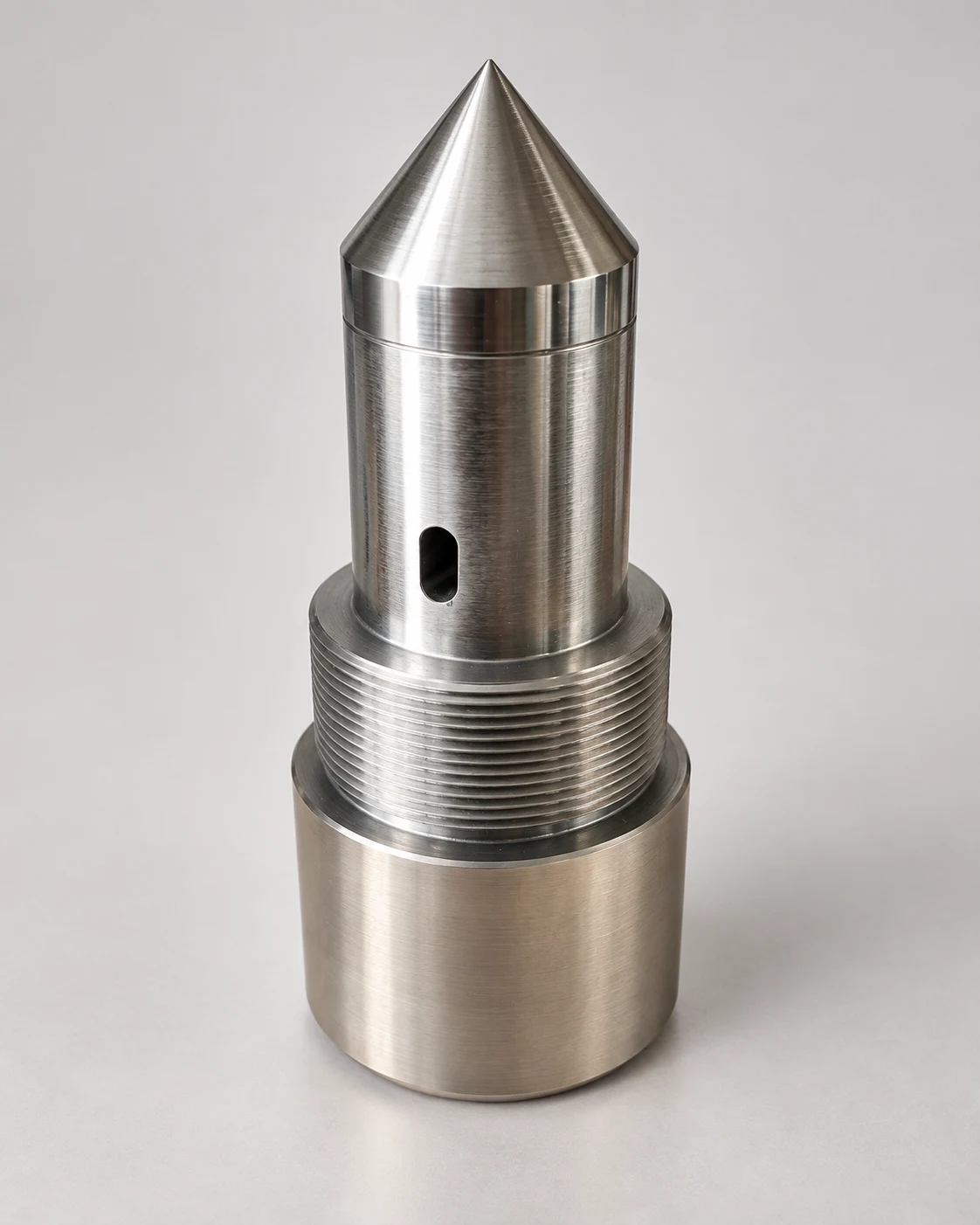
One tool within a planned treatment
The Wave Generator creates the vibrations. A surface pump provides circulation, tubing places the tool, and a separation tank receives returning fluid. Engineering review establishes how those parts fit your well.
The product is the generator. The service includes evaluating the well, designing the treatment and assessing its field response. See the complete service.
Engineered per well
Each generator is designed from the formation’s porosity and permeability data to hit its resonant band, then manufactured for that single well.
Five design variants
From extra diffusers to variable-volume resonance chambers and spring-loaded elements for high amplitude at low frequency.
Coiled-tubing option
Selected gas-lift wells have been treated while producing. Tool access, well integrity and the operating plan determine whether this is possible for your well.
Defined treatment scope
The quotation covers the equipment, crew and work required for the individual job, including mobilisation and handling of returns.
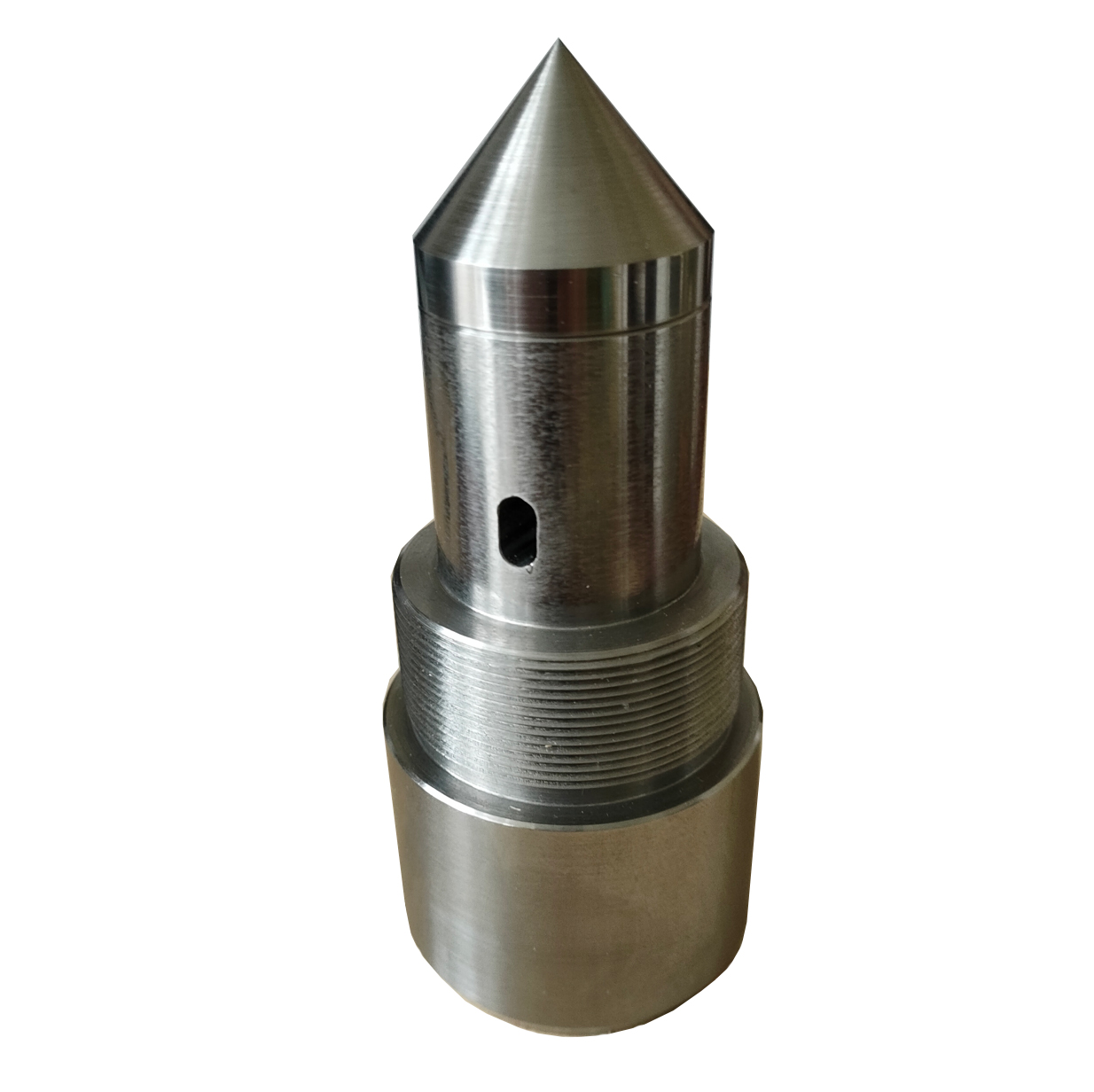
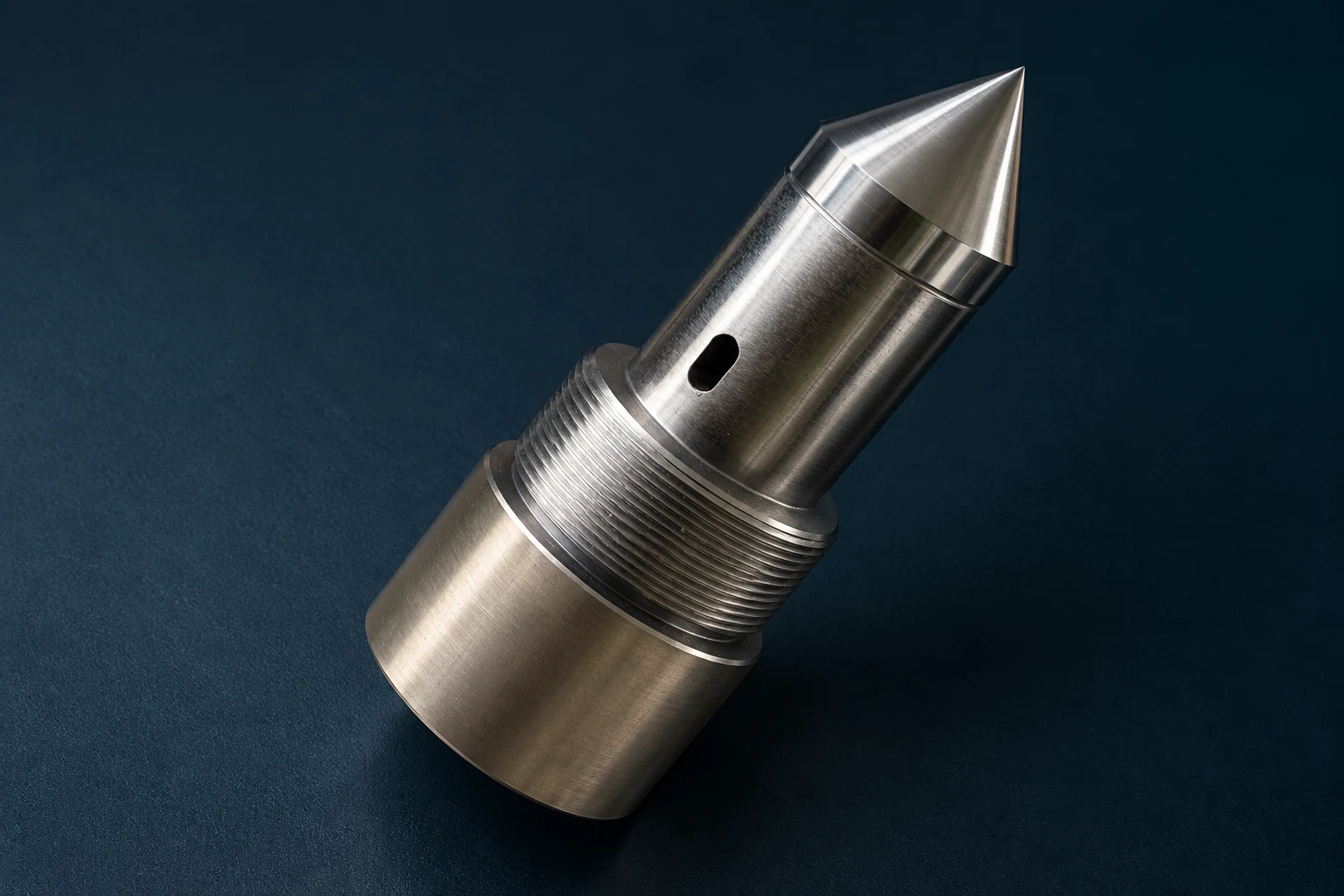
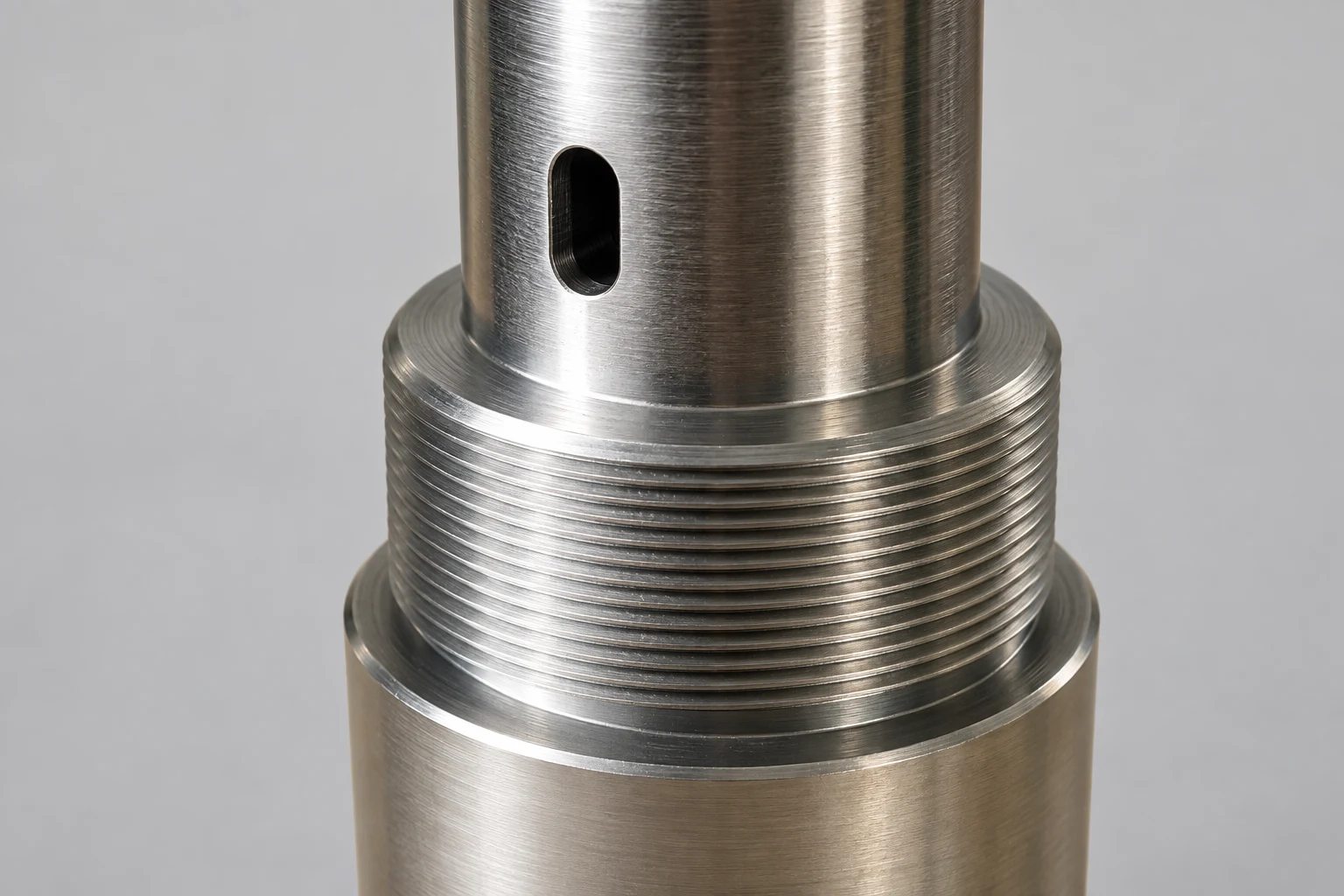
See the tool up close
AI visualizations based on the original product photograph. The manufactured tool is engineered for each well.
Specifications
Operating parameters
- Working frequency
- 1.5–10 kHz, tuned to the formation’s resonant band
- Pump parameters
- 20–30 m³/h at 15–22 MPa (≈2,200–3,200 psi)
- Active treatment
- Typically 4–8 hours per zone. Total downtime includes deployment and restart; horizontal intervals may take longer.
- Working fluid
- Fresh water, no chemical reagents
- Deployment
- Standard production tubing or coiled tubing
- Well types
- Vertical · deviated · horizontal · onshore & offshore
Parameters are indicative and tailored per well during engineering.
Longer intervals between interventions in these wells
At Absheronneft (2021), the reported maintenance-free period grew from 20 to 60 days on one well and from 22 to 108 days on another. These are individual field results, not a maintenance guarantee.
Absheronneft field, Azerbaijan · 2021 · days between interventions
Fewer interventions, more uptime. Production on well 1024 also doubled after the same treatment.
Research and patent history
The method and generator designs are documented in US and Russian patents, with roots in research from the 1980s–90s. These records describe the technology; they do not predict a well's response.
Additional Soviet and Russian patent references from the supplied material:
Soviet / Russian patent registry